

Tight or Loose. Aggressive Versus Passive. Poker Styles Explained For Beginners
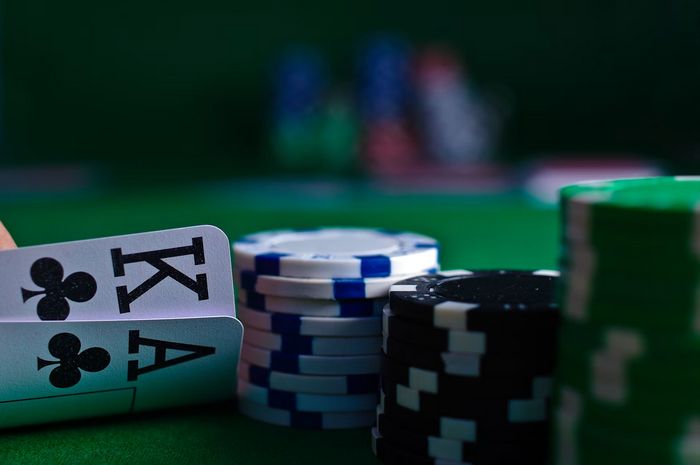
You don’t need to play many games to know that poker has its own language. Some of the most useful terms describe how a player approaches the game rather than what cards are in front of them. Two of the biggest ideas are tight versus loose and aggressive versus passive.
Labels like these merely describe how many hands someone chooses to play and how strongly they tend to bet once they are involved.
Understanding these styles helps make poker much easier to follow for beginners. It also explains why two people can sit at the same table (with similar cards) and still play in completely different ways.
Why Having A Strategy Matters
Poker is not a game where every hand should be treated the same.
Some starting hands are much stronger than others. Position at the table matters. Opponents behave differently, and the amount already in the pot can change what makes sense next.
That is why having some kind of strategy is useful.
Steaming ahead into every hand with no clear approach can quickly lead to messy decisions. A player who changes style constantly without thinking about why may call too often or get involved with hands that were never especially promising based on the situation they were in.
A basic strategy provides structure. People who play online poker for real money often wish to maximize their chances of getting a return if they can. They may even intend to improve at poker over time. This means they should try to understand the different styles (and which works for them).
It does not mean every move has to be planned in advance. Poker is far too unpredictable for that. It gives a player a general way of approaching decisions.
That is where the tight, loose, aggressive, and passive labels become useful. They are not strict boxes. They are more like shorthand for describing tendencies like the tendency to bluff. Bluffing is only a good idea if you have the temperament for it (and don’t have a tell like this guy…)
What Does Tight Mean In Poker?
A tight player is selective about which hands they play.
They wait for stronger starting cards or better situations before committing chips.
In Texas Hold’em, a tight player might regularly fold weaker combinations before the flop and concentrate on hands such as strong pairs or combinations with better potential.
This does not mean a tight player is timid. That is an important distinction.
Someone can fold most hands and then play very strongly when they finally decide to enter a pot.
The main idea is simply selectivity.
A tight approach can be appealing to beginners because it reduces the number of difficult situations they have to deal with. Playing fewer hands means there are fewer marginal decisions after the flop.
The trade-off is that a player who becomes too tight can also become predictable. Observant opponents may start giving them less action and reading their approach.
What Does Loose Mean?
Loose is the opposite.
A loose player takes part in more hands and is willing to play a wider range of starting cards.
That might include weaker aces or hands that a tight player would simply throw away. The appeal is variety.
Loose players see more flops and get involved more often. This can make the game feel more active. Hold’em is the most popular variety of poker. A loose player will stick around in the game to see the flop more often. This helps to make the community cards in this particular game even more important.
The downside is that weaker starting cards create more difficult decisions later. A loose player may often find themselves with a hand that is good enough to continue but not strong enough to feel comfortable.
Aggressive Poker Is About Betting And Raising
Aggressive and passive describe something different.
They are not about how many hands are played. They describe what happens once a player decides to get involved.
An aggressive player tends to bet and raise rather than simply call.
That puts pressure on opponents.
The aggressive player often takes the initiative and forces others to make decisions. Aggression can also help build bigger pots when holding strong hands.
Aggressive play can also potentially win pots without the best hand. A well-timed bet may convince opponents to fold. This is one of the main reasons aggression is such an important part of poker strategy.
Constant aggression is not automatically good.
Betting too often becomes expensive when opponents start noticing the pattern and calling more frequently.
Passive Poker Relies More On Calling And Checking
Passive players tend to take the opposite approach.
They are more likely to call a bet or check and wait to see what happens.
This can make them harder to push out of some pots. It also means they often give up control of the action.
A passive player may have a decent hand but simply call rather than raise. That can keep the pot smaller, which may feel safer, but it can also miss opportunities to get more value from strong hands.
Passive play is common among beginners because calling often feels less risky than raising.
The views and opinions expressed by the writers and columnists of Casino Player, Strictly Slots, and Casinocenter.com do not necessarily reflect those of the magazine’s management. All content is intended solely for entertainment and informational purposes. Gambling may be illegal in some jurisdictions—it is the responsibility of each visitor to check and comply with local laws before participating in online gaming. Always read the terms and conditions, and gamble responsibly.
