

CORY HARWELL: A Career Built on Food, Hospitality and Connection
by Steve Kieva
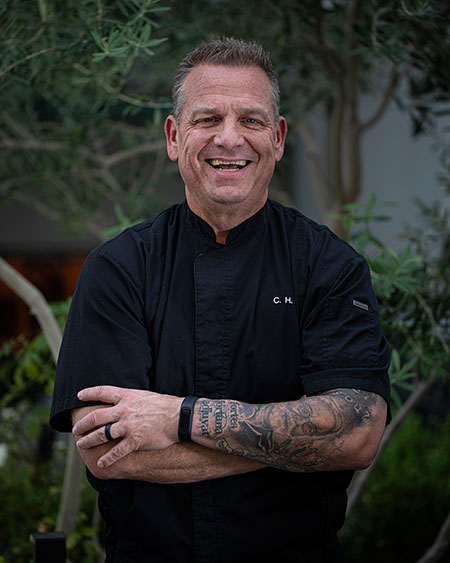 Las Vegas-based restaurateur Cory Harwell, president of Eleven Hospitality Group, is one of the most respected independent operators in the modern American restaurant industry. With more than three decades of experience spanning nearly every facet of food and beverage, Harwell is known for creating concept-driven restaurants that balance creativity, approachability and long-term sustainability.
A Georgia native, Harwell began his career at age 16, washing dishes at a mom-and-pop diner in Woodstock, Georgia. It was an early introduction to the discipline, humility and teamwork required to succeed in hospitality. That foundation helped shape a career defined by hands-on leadership, operational expertise and a deep respect for the people behind the scenes.
In the early 1990s, Harwell gained formative experience working alongside industry leaders on the launch and operation of high-profile restaurant concepts in New York City, including Harley-Davidson Café, Rue 57 and Angelo & Maxie’s. In 1997, he relocated to Las Vegas to build and operate Harley-Davidson Café, marking the beginning of his lasting impact on the city’s hospitality landscape.
His career continued to evolve when he joined New York-New York Hotel & Casino, where he helped develop, construct and operate Nine Fine Irishmen before ultimately serving as vice president of food and beverage during his tenure with MGM Mirage.
In 2014, Harwell co-founded Carson Kitchen in Downtown Las Vegas with the late chef Kerry Simon, helping spark a culinary renaissance in the city’s historic core. Designed to feel more like a dinner party than a traditional restaurant, Carson Kitchen quickly became one of Downtown’s first true destination dining experiences, earning national recognition from Thrillist, Eater, USA Today and Culture Trip.
Today, Carson Kitchen remains a cornerstone of the Downtown Las Vegas dining scene. Built around reimagined comfort food prepared with approachable fine-dining ingredients, the restaurant’s success laid the groundwork for expansion, with locations now operating in Las Vegas and Salt Lake City.
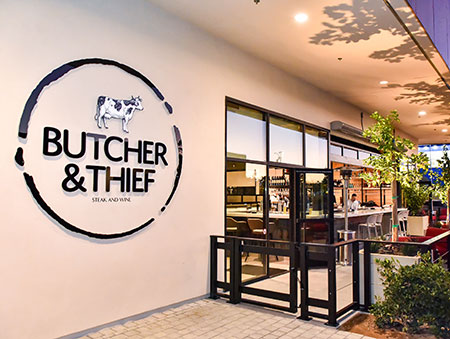 Across his concepts, Harwell’s culinary philosophy remains consistent: Food should be opinionated, familiar yet surprising, and rooted in connection. He believes the most successful dishes either reintroduce guests to flavors they already love in a modern way or invite them to experience new ingredients through familiar, approachable dishes.
Harwell’s newest concept, Butcher & Thief, reflects his continued evolution as an operator and storyteller, redefining the modern neighborhood steakhouse. Through bold flavors, thoughtful technique and a refined three-step cooking process, the concept delivers high-quality steaks with consistency and value, reinforcing Harwell’s belief that exceptional dining doesn’t need to be inaccessible or intimidating.
Located in southwest Las Vegas, Butcher & Thief blends craftsmanship, comfort and character, offering high-quality cuts of steak, playful takes on classic dishes, and a curated wine and cocktail program in a sleek yet welcoming setting.
The 5,000-square-foot restaurant features a lively bar and lounge, an expansive main dining room, private dining areas and an 1,800-square-foot patio. Inside and out, the atmosphere combines sophistication and warmth, creating a setting designed to encourage guests to linger.
Every detail, from the sous vide precision used in preparing the steaks to the thoughtfully curated wine list organized by flavor profile, is designed to make the experience memorable yet effortless. At its core, Butcher & Thief is about connection—the kind found over good food, great wine and genuine conversation.
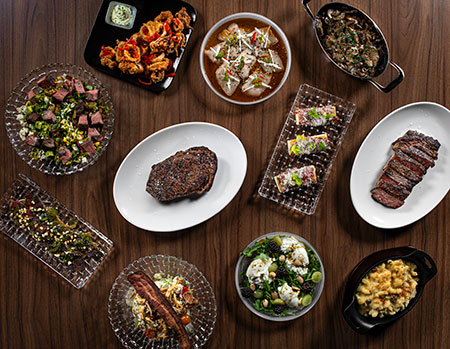 One of the restaurant’s most notable attributes is its focus on value. Steaks at Butcher & Thief range from approximately $38 to $64 for Wagyu, an accessible price point in today’s steakhouse market. In a recent interview, Harwell addressed the importance of bringing value back to the category.
“The one ingredient missing from the American steakhouse for the last 20 years is value,” Harwell said. “The steakhouse has priced themselves so far away from the average diner. They don’t have a corporate card. They’re not going out for a birthday or an anniversary every night of the week. And, unfortunately, a majority of our phenomenal steakhouses have turned themselves into that type of venue. I think there’s a massive opportunity to bring value back.”
Beyond restaurants, Harwell’s entrepreneurial reach extends internationally. In 2022, he entered the tequila business by leasing land in Jalisco, planting 38,000 agave plants and initiating an aging program involving 22,000 liters of blanco tequila and 100 bourbon barrels. Through long-standing relationships in Guadalajara, he also became an investor in Santo Coyote, a traditional Mexican cantina in Puerto Vallarta’s Marina District that is popular with locals and visitors alike.
At the heart of Eleven Hospitality Group is a commitment to family, celebration and memory-making—values Harwell learned early while cooking alongside his mother and grandmother. He believes food and beverage are among the most powerful tools for human connection, marking life’s milestones and bringing people together in meaningful ways.
Harwell’s culinary journey has included an invitation to cook at the James Beard House in New York City and numerous accolades, including being named Desert Companion’s Restaurateur of the Year. In recognition of his contributions to Downtown Las Vegas and the city’s culinary culture, he was also awarded a Key to the City by Mayor Carolyn Goodman.
A natural storyteller with a candid and humorous style, Harwell is frequently sought out for speaking engagements on hospitality leadership, restaurant economics, brand building, mentorship and resilience. He is particularly passionate about advocating for sustainable business models in hospitality, emphasizing people and product before profit.
Harwell studied musical theater at a New York City conservatory, an experience that continues to influence his approach to hospitality as performance, storytelling and experience design. When he’s not opening restaurants or mentoring teams, he enjoys spending time with his wife, Lauren, and daughter, Kayla, golfing, traveling and sharing meals that revolve as much around people and conversation as they do the food on the table.
Casino Player recently sat down with Cory Harwell to discuss his career, his relationship with Kerry Simon, his culinary philosophy and what continues to drive him after more than three decades in the hospitality business.
CP: When I first started writing about Las Vegas, the most prominent name in the food industry was Kerry Simon. How did your relationship with him develop?
CH: Kerry first came into my life as a customer. I had opened my first independent restaurant, a small Peruvian concept called Caña, and he became a regular after discovering a shrimp dish he particularly enjoyed. What started as a guest-chef relationship gradually evolved into a friendship.
When the restaurant ultimately closed, Kerry reached out and invited me to lunch. During that conversation, he shared that he was facing health challenges and was looking for someone to help expand and manage the opportunities that continued to come his way. That meeting led to the formation of Simon Hospitality Group and a partnership that would profoundly shape both my career and my life.
While we accomplished a great deal together professionally, Kerry’s greatest impact was personal. He became a mentor, a trusted friend and one of the most influential people I’ve ever known. The lessons he taught me about authenticity, hospitality and leadership continue to guide me every day.
 CP: Out of all of your culinary journeys, can you point to the one that had the most impact on the way you approach food?
CH: Without question, it was the day Kerry Simon told me to stop trying to cook for other people and start cooking from my own experiences. Early in my career, I spent a lot of time trying to create what I thought great chefs were supposed to create. One day I cooked him a simple shrimp and grits dish inspired by my Southern upbringing, and he looked at me and said, “Why aren’t you cooking like this all the time? This is your story.”
That moment completely changed my perspective. Since then, I’ve focused on creating food that reflects who I am, where I come from and the experiences that have shaped me. Guests connect with authenticity, and that’s a lesson I’ve carried with me throughout my career.
CP: Where did the concept for Butcher & Thief originate from?
CH: I’ve always loved the American steakhouse. To me, it’s one of the most iconic dining experiences we have. Over the years, though, I watched many steakhouses become increasingly focused on luxury, to the point where they felt reserved for special occasions. I saw an opportunity to create something different; a neighborhood steakhouse that delivers exceptional food, cocktails and hospitality without the formality or sticker shock that often comes with the category.
The goal was to create a place where guests could celebrate a milestone or simply stop in on a Tuesday night because they felt like having a great steak.
CP: Can you explain the name?
CH: The “Butcher” is fairly straightforward – it speaks to craftsmanship, quality ingredients and respect for the product. The “Thief” is a winemaking tool used to draw wine from a barrel for tasting, which felt like a natural fit given the relationship between steak and wine.
The name ultimately reflects the two things we’re passionate about: great cuts of meat and great wine. It’s classic, a little unexpected and perfectly captures the spirit of the restaurant.
CP: What would be the go-to items on the Butcher & Thief menu?
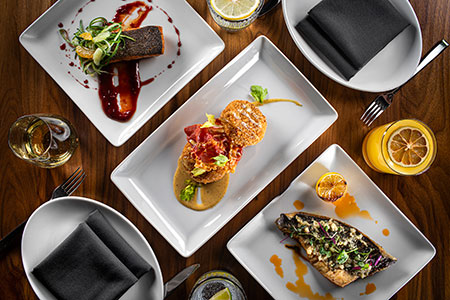
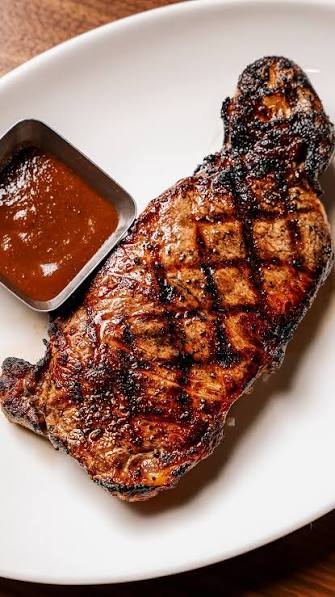
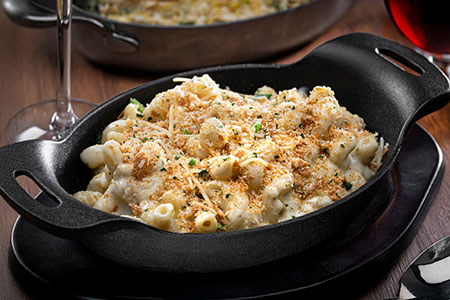
CH: The Creekstone ribeye is certainly one of the stars of the menu, but I always encourage guests to explore beyond the steak. The sour cream and onion bubble bread, cheesesteak egg rolls and Rockefeller spinach have quickly become guest favorites and do a great job of showcasing our personality.
For steak lovers, I’m a big fan of the Zabuton because it delivers incredible flavor and really highlights our cooking process. And if you’re ordering dessert, the banana cream pie is hard to pass up. The best way to experience Butcher & Thief is to order a variety of dishes for the table and share.
 CP: What makes Butcher & Thief different from a traditional steakhouse?
CH: Over the years, many steakhouses have evolved into special-occasion destinations; places people visit a few times a year for birthdays, anniversaries or business dinners. We wanted to create something different.
One of my favorite sayings is that every steakhouse dinner is perfect until the check arrives. The food is great, the cocktails are great, the service is great, and then the bill hits the table. At Butcher & Thief, we wanted guests to leave feeling like the value exceeded the price they paid.
Our goal was to create a neighborhood steakhouse where people could enjoy an exceptional meal, great hospitality and a fun atmosphere without feeling like it had to be a major event. Whether you’re celebrating something special or simply grabbing dinner with friends on a Tuesday night, we want Butcher & Thief to feel approachable, welcoming and worth coming back to again and again.
CP: The three-step steak cooking process has become a signature of Butcher & Thief. How does it work?
CH: Consistency is really the goal. Every steak is first cooked sous vide, which allows us to achieve a precise temperature from edge to edge. It then goes onto an 800-degree plancha to develop a beautiful crust before being finished on the grill for that classic steakhouse flavor.
The process takes a little longer, but it allows us to deliver a steak that’s incredibly consistent, flavorful and cooked exactly as intended every single time.
CP: You also own Carson Kitchen, which helped redefine Downtown Las Vegas dining. Did that experience influence your vision for Butcher & Thief?
CH: Absolutely. Carson Kitchen taught us that guests respond to authenticity. When we opened Downtown, we weren’t trying to chase trends or create something overly complicated. We focused on great food, great hospitality and creating a place where people genuinely wanted to spend time.
That experience reinforced the importance of staying true to who you are, and that’s a philosophy we carried into Butcher & Thief. While the concepts are very different, they’re both rooted in the same belief that hospitality should feel genuine and approachable.
 CP: Las Vegas has changed dramatically since you arrived in 1997. What has been the most exciting transformation to witness?
CH: Watching Las Vegas evolve into one of the great dining cities in the world. When I moved here, the city was still primarily known for gaming and buffets. Today, we’re a global culinary destination that attracts some of the best chefs, restaurateurs and hospitality professionals anywhere. The city has continuously reinvented itself, and that’s one of the things I love most about Las Vegas.
CP: What do you hope guests remember most after dining at Butcher & Thief?
CH: I hope they remember how they felt. Of course I want them to remember a great meal, but what stays with people is the overall experience like the conversation around the table, the hospitality, the atmosphere and the people they shared it with.
Restaurants play a role in some of life’s most meaningful moments, whether it’s a celebration or simply a night out with family and friends. If guests leave feeling like they had a memorable experience and received tremendous value, then we’ve done our job.
