

Pokies Still Use Cherries, Bells and Lucky 7s
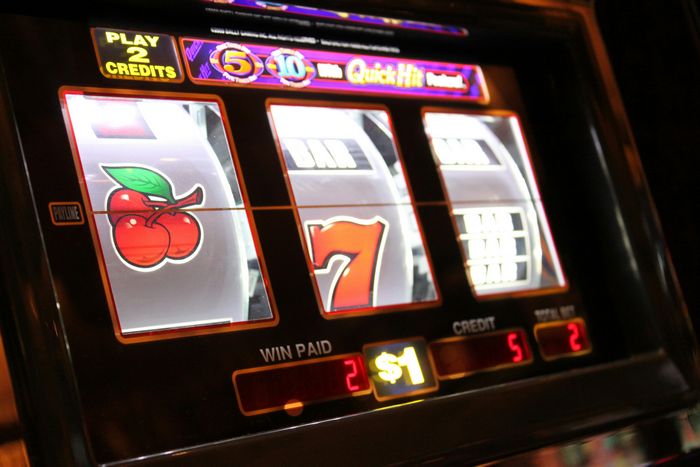
Cherries once advertised chewing gum, and the BAR symbol came from its packaging. Even the Liberty Bell had a practical reason for appearing on early slot machines. The stories behind these old casino symbols are surprisingly interesting, especially when you consider what happened to them once pokies went digital.
Open a modern online pokie and there’s a good chance you’ll recognise the symbols on the reels. Cherries, bells and lucky 7s have been part of slot machines for generations, even though today’s games bear little resemblance to the mechanical machines that introduced them. Game developers can now put practically anything on a screen, from elaborate animations to entire bonus games, yet those old symbols are still around. There’s a good reason for that, and it starts with the earliest slot machines.
The Bell Came First, Then Came the Fruit
The story begins in San Francisco in the 1890s, when Charles Fey developed the Liberty Bell slot machine. Its three mechanical reels carried symbols including playing-card suits and horseshoes, with the Liberty Bell itself giving the machine its name.
Fruit symbols arrived during the first two decades of the 20th century, when certain machines dispensed chewing gum. Cherries and lemons represented flavours, giving the pictures a practical purpose that had little to do with the games themselves.
The BAR symbol also came from chewing-gum packaging. It developed from the branding associated with the Bell-Fruit Gum Company and eventually became a standard feature on slot-machine reels.
Lucky 7s have a different background. Seven already had a longstanding association with good fortune, making it a natural choice for a game built around chance.
Here’s where the traditional symbols came from:
| Symbol | Original Association |
| Bell | Charles Fey’s Liberty Bell machine |
| Cherries and other fruit | Chewing-gum flavours |
| BAR | Chewing-gum packaging |
| Lucky 7 | Cultural association with good luck |
These symbols entered slot-machine design for different reasons, yet they eventually became part of the same gaming tradition. Their original purposes disappeared as the machines developed, but the images remained.
Mechanical Reels Gave Way to Screens
Early slot machines had physical limitations that modern developers no longer face. The reels contained a fixed number of positions, and the mechanical equipment determined which combinations were possible.
Electronic machines changed the possibilities. In Australia, the Georges Wild touchscreen gaming machine arrived in 1992, offering several games on the same equipment. Players could choose between reel games and other formats without moving to another machine.
Online pokies take that development further because the reels are now graphics displayed on a screen. Developers can create new symbols and elaborate animations without being restricted by physical machinery.
At Volt Rush NZ, the pokies offering includes games from developers such as Pragmatic Play and Playson, whose digital slot designs demonstrate just how far reel games have developed beyond their mechanical origins.
To appreciate the difference, consider a mechanical machine manufactured in West Germany between 1950 and 1960. The UK’s Science Museum Group records that the Merkur gambling machine had three reels with ten symbols on each, producing exactly 1,000 possible combinations.
That was the mathematics of a machine with actual rotating reels. Today’s digital games operate through software, allowing developers considerably more freedom in their designs.
The equipment has changed completely, but the basic idea of watching symbols settle into position remains recognisable.
Players Already Know What They’re Looking At
There’s a practical advantage to keeping traditional symbols in modern games: people who know slot machines already understand what they’re seeing.
A cherry on a reel needs little explanation. Neither does a lucky 7. Players recognise the imagery from older machines, even when the surrounding graphics and gameplay have changed.
In his usability principles Jakob Nielsen of the Nielsen Norman Group explains that people find interfaces easier to understand when they can recognise established conventions instead of remembering instructions.
Nielsen was discussing interface design generally, but the principle applies neatly to traditional reel imagery.
There are three practical benefits to that recognition:
- Players recognise established symbols without needing an explanation of their history.
- Traditional imagery helps distinguish classic reel designs from games built around elaborate visual themes.
- The same symbols provide continuity between older physical machines and modern digital versions.
That distinction between traditional reel imagery and newer game designs is useful context for understanding the different approaches developers take. The symbols themselves are simple, which is precisely why they remain easy to recognise.
Old-School Looks, New-School Games
Recognising traditional symbols doesn’t mean players want the same machines their grandparents played. Modern pokies have developed considerably beyond the original three-reel mechanical format.
Games now use digital graphics, animated sequences and bonus rounds that would have been impossible on Charles Fey’s equipment. The symbols can remain traditional even when the underlying game operates differently.
Brett Colbert, Director of Product Management at Light & Wonder, addressed that distinction in a February 2025 interview published by CDC Gaming when he said, “Players might want to see familiar themes, but they want to play the newest games.”
Colbert’s point is straightforward. Recognisable themes can attract interest, but players also expect contemporary gameplay in a perfect balance of novelty meets tradition. A game featuring cherries or lucky 7s can still have modern features because its appearance and mechanics are separate design decisions.
That gives developers considerable freedom. They can retain traditional imagery without reproducing the limitations of older machines. Traditional symbols therefore remain relevant to contemporary games without requiring developers to recreate the equipment that first made them popular.
The Number Seven Has Its Own Following
Cherries and bells have identifiable connections to early slot-machine history, but lucky 7s bring something different to the reels. The number already had a reputation for good fortune long before electronic pokies existed.
That preference has appeared in research outside casino gaming.
In a 2016 study published in Judgment and Decision Making, researchers analysed five million lottery-number combinations to investigate which numbers people preferred.
Seven was the most frequently selected number, appearing in 4.19% of selections. Eight followed at 4.05%.
Those figures tell us something interesting about people’s preferences. Even when the numbers are selected for a game of chance, seven holds a particular appeal.
Of course, choosing seven doesn’t improve the mathematics of a random outcome. A lucky-7 symbol on a pokie reel has whatever probability the game’s design assigns to it.
Its popularity comes from the meaning people attach to the number, rather than any special mathematical advantage.
The Classics Still Belong on the Reels
The earliest slot-machine designers had practical reasons for choosing their symbols. Bells belonged to mechanical machines, while fruit represented products that customers could receive from early gaming devices.
Today’s developers have far greater freedom. They can design reels around almost any subject, and the machinery no longer dictates what appears on the screen.
Yet cherries, bells and lucky 7s remain part of slot-machine culture because players recognise them and developers can incorporate them into contemporary games.
Their original purposes have disappeared, but the symbols have found a lasting place in the way slot machines look and play.
Online pokies are intended for entertainment, and players must be 18 or older. Set a spending limit before playing, understand the game’s rules and never treat gambling as a way to earn money.
The views and opinions expressed by the writers and columnists of Casino Player, Strictly Slots, and Casinocenter.com do not necessarily reflect those of the magazine’s management. All content is intended solely for entertainment and informational purposes. Gambling may be illegal in some jurisdictions—it is the responsibility of each visitor to check and comply with local laws before participating in online gaming. Always read the terms and conditions, and gamble responsibly.
