

Why Do Anjouan Casinos Lean So Heavily on Crypto?
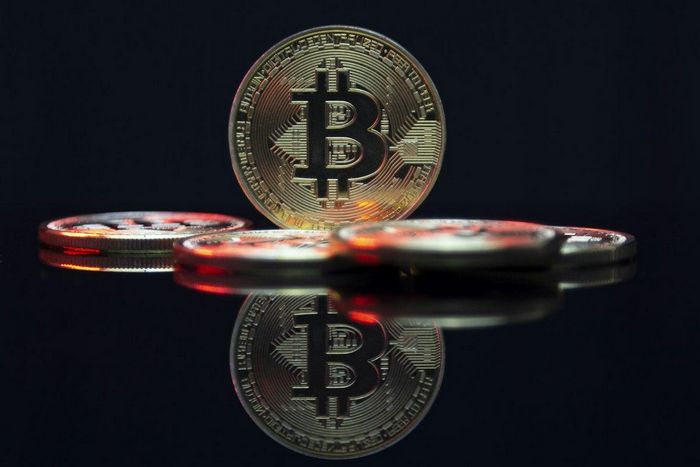
Open the cashier at a casino licensed in Anjouan and look at what’s at the top. Bitcoin, Ethereum, Tether, Litecoin, and often a few smaller coins after that. Card logos are usually further down, if they show up at all, and some sites barely bother with bank transfers.
That’s no accident, and it isn’t only about crypto being trendy. A lot of it comes down to banks, the type of license these casinos hold, and what happens when a payment goes wrong.
So why are these casinos so crypto-heavy, and what does that mean for the money you send them?
First, What Is an Anjouan Casino?
Anjouan is a small island in the Comoros, off the east coast of Africa between Mozambique and Madagascar. It sells online gambling licenses to companies that want to run casinos for players around the world, and over the last couple of years a lot of new sites have picked it.
The reasons are mostly about cost and speed. An Anjouan license runs at around €17,000 a year, and it’s quicker to get than a license from Curaçao, which tightened its own rules when a new gaming law took effect on 24 December 2024. For a new operator, that’s a much lower bar.
There are enough of these casinos now that there’s even a site dedicated to them. Anjouan Online Casinos collects the top Anjouan Gaming license casinos it has tested, and it shows each casino’s bonus, payment options and whether it’s crypto friendly. Scroll through that list and the pattern is hard to miss. Most of the casinos on it carry a crypto tag.
Banks Don’t Love Offshore Gambling Payments
This is the biggest reason, and it starts long before you click deposit.
Card networks give every business a merchant category code. Gambling sits under code 7995, and payment companies treat it as high risk. Some processors refuse gambling merchants completely. Others take them on with higher fees, extra checks and the right to drop them with little notice. For a casino with a lighter offshore license, getting a steady card processor is even harder, because a lot of banks simply don’t want that business on their books.
If you’re in the US, there’s another layer. A federal law from 2006, the Unlawful Internet Gambling Enforcement Act, requires banks and card companies to have policies that block payments for unlawful internet gambling. That’s why a card deposit at an offshore casino can get declined for no obvious reason. Even when it goes through, plenty of card issuers treat gambling charges as cash advances, which means a fee and interest from day one.
Crypto skips most of that. There’s no card network deciding what counts as gambling, and no bank on the casino’s side that can pull the plug overnight. For an Anjouan operator, a wallet address is a lot easier to keep running than a merchant account.
The License Is Built With Crypto in Mind
Plenty of licenses make crypto casinos jump through extra hoops. Anjouan’s license openly covers crypto gambling, so operators don’t have to argue with a regulator about accepting Bitcoin or paying out in USDT. Many of the casinos that picked Anjouan launched as crypto-first sites, with balances shown in coins and games that let you bet in tiny fractions of a token.
Stablecoins are a big part of this too. A USDT or USDC deposit stays tied to the dollar, so you don’t wake up to find your $200 balance is suddenly worth $170 because Bitcoin had a bad night. A lot of players who use crypto at these casinos don’t care about crypto at all. They just want a payment that works.
There’s a privacy angle as well. Paying in crypto keeps a casino deposit off your bank statement, which some players like. It doesn’t make you invisible, since most exchanges where you buy the coins check your ID, and many casinos still ask for documents before a big withdrawal.
Faster Payouts, and No Chargebacks
Speed is the selling point you’ll see on every banner. Once a casino approves a crypto withdrawal, the coins can reach your wallet in minutes. A bank transfer from an offshore casino can take several business days and sometimes picks up fees from a bank in the middle that you never chose.
The less obvious reason is chargebacks. With a card, you can call your bank and dispute a charge, and the casino loses the money plus a fee. Card processors also watch chargeback rates closely, and too many of them can get a casino’s account shut down. A crypto payment can’t be pulled back, which takes that whole risk off the operator’s plate.
Then there’s cost. High-risk card processing is expensive, and gambling merchants usually pay more per transaction than a normal online shop. A crypto payment mostly costs the network fee, which on a stablecoin network like Tron is often small. That saving is one reason these casinos can advertise low minimum deposits and fee-free withdrawals in crypto while charging, or limiting, other methods.
That cuts both ways, though. If the casino refuses to pay you, there’s no bank to call either. Once you send crypto, the only way it comes back is if the casino decides to send it.
Who’s Actually Watching These Casinos?
This is where you need to be a bit skeptical.
Anjouan’s supervision is light compared with regulators in places like the UK or Malta, and its standing has been questioned at home. In 2023, the Central Bank of the Comoros called several Anjouan regulators and license sellers “fictitious structures”, and Anjouan’s licensing bodies have faced that kind of criticism for years.
What does that mean for you? Mostly that the license on its own doesn’t tell you much. Some Anjouan casinos pay quickly and treat players well. Others don’t. If a site holds your winnings, the complaint route is thin, and crypto makes it thinner, because there’s no card dispute to fall back on.
And offshore casinos aren’t licensed by any US state. If you’re in one of the states with legal online casinos, a state regulator can’t help you with an offshore site, so that part is on you.
What to Check Before You Send Crypto
None of this means crypto is a bad way to pay. It does mean a few minutes of checking up front saves a lot of stress later:
- the network the casino uses for each coin (sending USDT on the wrong network can lose it for good)
- the minimum withdrawal and any weekly or monthly limit
- when the casino asks for ID, because some only ask once you try to cash out
- if the welcome bonus applies to crypto deposits, and what the wagering is
- if your balance gets converted into another coin or currency
Start small, too. Make a modest deposit, play a bit, and request a withdrawal before you send anything bigger. How a casino handles that first payout tells you more than any license badge in its footer.
Crypto at Anjouan casinos is mostly the product of banks keeping their distance. It’s fast and it works, but it also leaves you with fewer ways to get your money back, so pick the casino carefully before you pick the coin.
The views and opinions expressed by the writers and columnists of Casino Player, Strictly Slots, and Casinocenter.com do not necessarily reflect those of the magazine’s management. All content is intended solely for entertainment and informational purposes. Gambling may be illegal in some jurisdictions—it is the responsibility of each visitor to check and comply with local laws before participating in online gaming. Always read the terms and conditions, and gamble responsibly.
